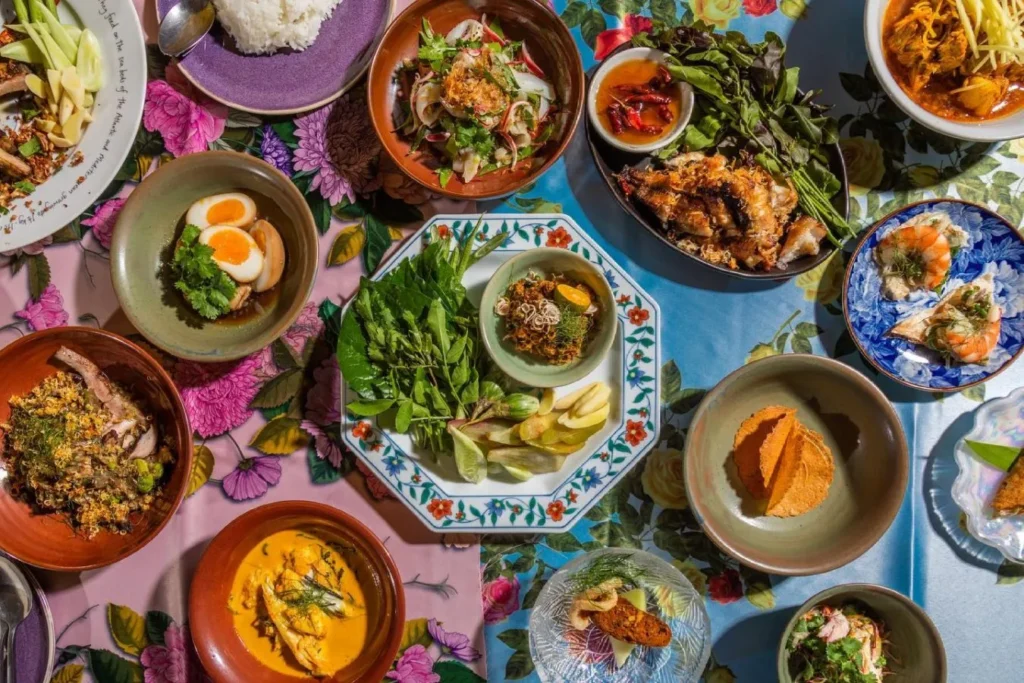
Most people land in Bangkok expecting pad thai everywhere, and sure, it’s there — but honestly, sticking to just that dish means missing out on most of what actually makes authentic Thai cuisine Bangkok locals eat every single day. There’s an entire world beyond the tourist-menu staples.
I spent a solid week there once purely food-focused, no sightseeing agenda, just eating my way through neighborhoods. Best decision of that whole trip.
Why Bangkok’s Food Scene Is So Layered
Authentic Thai cuisine Bangkok offers reflects a mix of regional influences — Chinese, Malay, Indian, and native Thai flavors — resulting in a street food culture that’s genuinely one of the most diverse in the world.
Bangkok’s street food isn’t a simplified version of “Thai food” — it’s the real, full range of regional Thai cooking condensed into one city.
Must-Try Dishes Beyond Pad Thai
- Boat noodles (Kuay Teow Reua) — rich, dark broth, traditionally served in small portions so you can order multiple bowls
- Som tam (green papaya salad) — spicy, tangy, and every stall makes it slightly differently
- Khao soi — a northern Thai curry noodle dish, technically more common up north but available in good spots around Bangkok too
- Moo ping (grilled pork skewers) — a common breakfast street food, cheap and genuinely addictive
Quick answer: Beyond pad thai, must-try authentic Thai dishes in Bangkok include boat noodles, som tam, khao soi, and moo ping — all widely available at street stalls for under $2-3 each.
Best Areas for Street Food
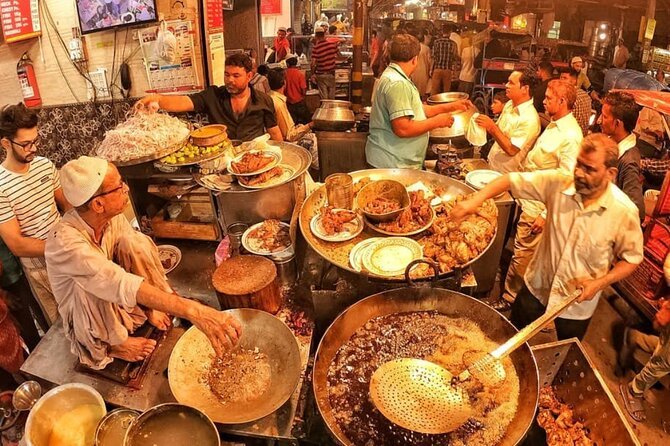
Chinatown (Yaowarat) — arguably Bangkok’s best street food district, especially in the evening when stalls light up along the main road.
Or Tor Kor Market — less touristy, popular with locals for fresh produce and prepared food, particularly fruit.
Victory Monument food stalls — known for boat noodles specifically, with several competing vendors clustered together.
What to Expect Price-Wise
Street food generally runs 40-80 THB (roughly ₹90-190) per dish, making it genuinely one of the most affordable ways to eat well anywhere in Southeast Asia.
- Sit-down local restaurants: 100-250 THB per dish
- Tourist-area restaurants: significantly higher, often 2-3x street food prices for similar quality
[link to related guide about budget islands Southeast Asia here]
Tips for Eating Street Food Safely
- Choose stalls with high turnover and visible queues — a good sign of fresh ingredients
- Watch for cleanliness around the cooking area, not just the seating
- Start mild if you’re not used to Thai spice levels — som tam especially can be intense
My Honest Opinion
I actually think Bangkok’s fine dining scene is underrated compared to how much attention the street food gets. A few Michelin-starred spots there serve elevated versions of the same street food classics for a fraction of what similar experiences cost in Europe — worth a splurge meal if your budget allows.
FAQs
What’s the most authentic Thai dish to try in Bangkok? Boat noodles and som tam are considered some of the most authentic, deeply rooted in everyday Thai eating culture.
Is street food in Bangkok safe to eat? Generally yes, especially at busy stalls with high turnover — freshness and cleanliness are usually reliable indicators.
What’s the best area in Bangkok for street food? Chinatown (Yaowarat) is widely considered the top spot, especially for evening street food.
How much does street food cost in Bangkok? Most dishes range from 40-80 THB (roughly ₹90-190), making it very affordable compared to sit-down restaurants.
Is Thai food in Bangkok very spicy? It can be — spice levels vary by dish, and dishes like som tam are often intensely spicy by default unless you request otherwise.
Conclusion
Exploring genuine authentic Thai cuisine Bangkok offers means going well beyond pad thai and tourist-menu staples. Head to Chinatown, try the boat noodles, and don’t be afraid of the stalls with the longest local queues — that’s usually where the real food is.
APPROVED
Keep the memory. Verify the moving details.
Use this guide as a practical route note, then reconfirm prices, schedules, entry rules and availability close to departure.

Admin
Turzico editors turn destination research into practical, warm and easy-to-use travel notes.