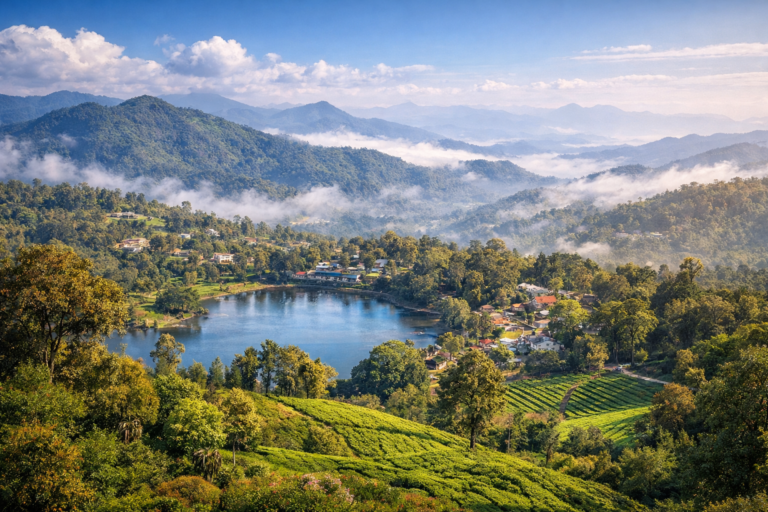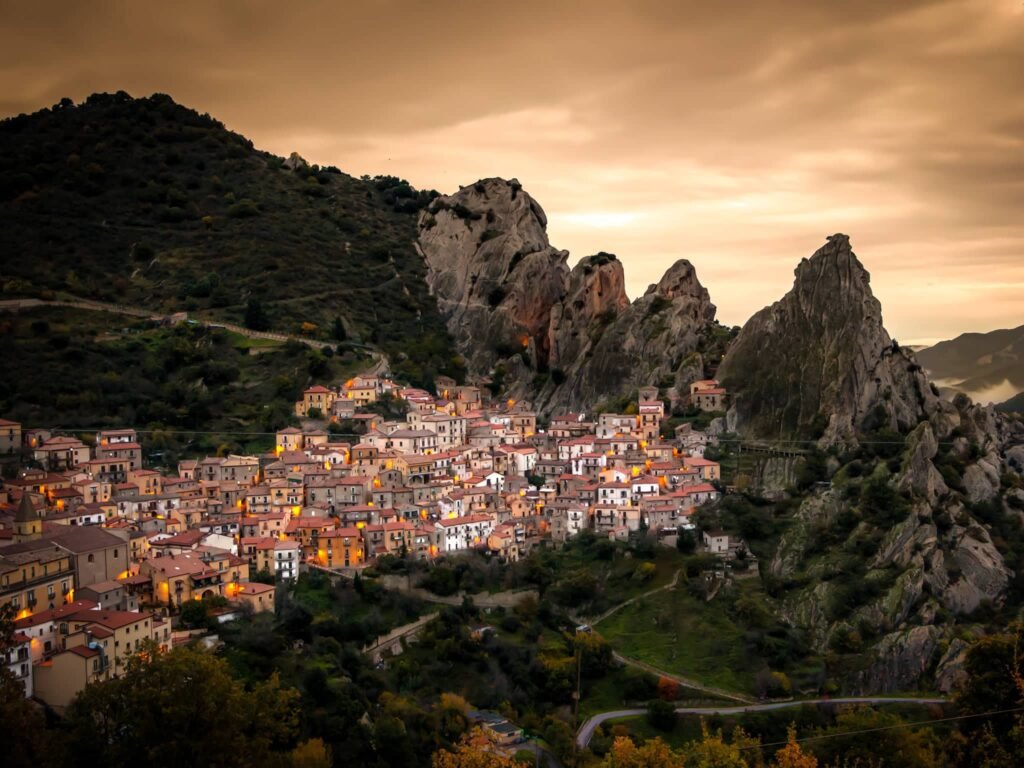
Rome in July. Venice basically any time of year. If you’ve ever stood in a two-hour line just to see a fountain, you know the feeling — Europe’s famous spots can get exhausting fast. That’s why I started actively seeking out hidden gem villages Europe rarely puts on the front page of a travel brochure.
Honestly, some of my favourite European memories aren’t from the big cities at all. They’re from tiny villages where I couldn’t find a single English menu and had to point at food and hope for the best.
Why Villages Over Cities?
Hidden gem villages Europe offers tend to give a much more authentic sense of local life — no queues, real conversations with locals, and prices that don’t assume you’re a tourist.
Big cities are built around tourism now, prices reflect that. Villages, on the other hand, are just… living their normal life, and you get to quietly be part of it for a few days.
1. Hallstatt’s Quieter Cousin — Gosau, Austria
Everyone floods Hallstatt for the postcard photo. Gosau, about 20 minutes away, has similarly stunning lake and mountain views with a fraction of the crowd.
2. Civita di Bagnoregio, Italy
Nicknamed “the dying town” because erosion is slowly shrinking the cliff it sits on. It’s connected by a footbridge, cars can’t get in, and the whole place feels frozen in time. Maybe 12 permanent residents live there now.
Quick answer: Civita di Bagnoregio is a tiny Italian hilltop village accessible only by footbridge, known for dramatic cliffside views and a near-empty, medieval atmosphere.
3. Colmar’s Neighbour — Riquewihr, France
Colmar gets all the attention (fair enough, it’s beautiful), but Riquewihr nearby has the same half-timbered Alsace charm with noticeably fewer tour buses.
4. Kotor’s Backyard — Perast, Montenegro
Kotor Bay is stunning but increasingly cruise-ship heavy. Perast, a small village along the same bay, gives you the same views minus the crowd noise.
5. Csesznek, Hungary
Barely known outside Hungary itself. A ruined castle overlooks the village, and there’s a real sense that time moved slower here than everywhere else.
Getting to These Off-the-Radar Villages
Most don’t have their own train stations, so you’ll typically fly into a nearby major city and rent a car or take a regional bus.
- Gosau: fly to Salzburg, drive about 1.5 hours
- Civita di Bagnoregio: fly to Rome, drive roughly 90 minutes
- Riquewihr: fly to Strasbourg or Basel, short drive
- Perast: fly to Tivat or Dubrovnik, drive under an hour
[link to related guide about renting a car in Europe here]
Tips for Visiting Small European Villages
- Learn a handful of local phrases — it genuinely changes how you’re treated
- Carry cash, many small guesthouses don’t accept cards
- Book accommodation in advance, options are limited compared to cities
- Respect quiet hours, especially in villages with fewer than 500 residents
A Small Disagreement I Have With Most Travel Blogs
A lot of articles list these villages as “must-see” without mentioning that some genuinely can’t handle a tourism surge. Civita di Bagnoregio, for example, already charges an entry fee partly to manage numbers. I think that’s a good thing, actually — better than the alternative of it getting ruined.
FAQs
Are these villages accessible without a car? Some, like Riquewihr, have limited bus connections, but a rental car makes visiting most of these places far easier.
Is Civita di Bagnoregio worth the entry fee? Yes — the fee (around €5-10) helps preserve the fragile cliff and footbridge, and the experience is genuinely unique.
What’s the best season to visit these villages? Late spring (May-June) or early autumn (September) — warm enough to enjoy, but before peak summer crowds arrive.
Can I find accommodation in these small villages? Yes, though options are limited — book at least a few weeks ahead, especially in summer.
Are these places suitable for a day trip? Most work well as day trips from nearby cities, though staying overnight in places like Perast gives you a much quieter experience.
Conclusion
Skipping the obvious tourist trail isn’t always easy, but these hidden gem villages Europe hides away are proof it’s worth the extra effort. Rent a car, get a little lost, and you’ll probably end up with better stories than anyone who just did the usual capital-city loop.
APPROVED
Keep the memory. Verify the moving details.
Use this guide as a practical route note, then reconfirm prices, schedules, entry rules and availability close to departure.

Admin
Turzico editors turn destination research into practical, warm and easy-to-use travel notes.