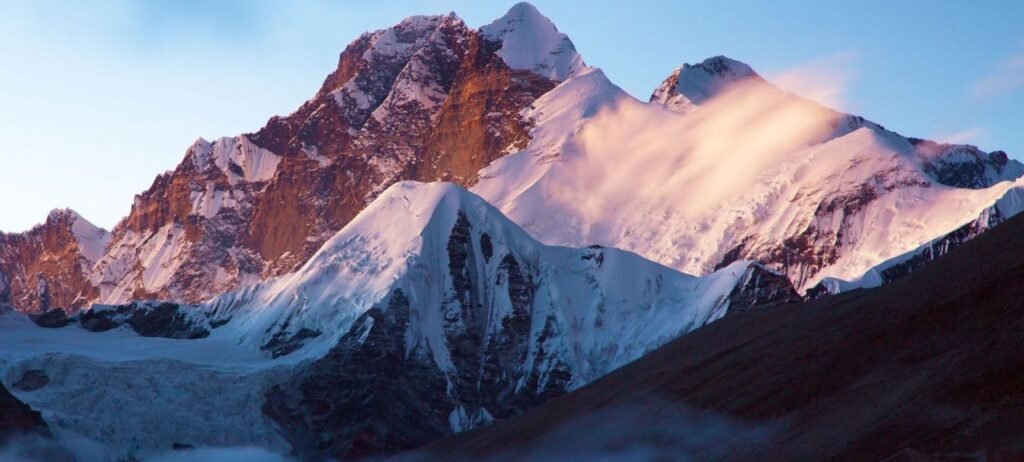
The Himalayas can feel intimidating if you’ve never trekked before — images of Everest base camp and extreme altitude sickness don’t exactly scream “beginner-friendly.” But there are genuinely accessible Himalayas trekking routes beginners can handle without prior mountaineering experience, and I’ve done a couple of these myself with zero serious trekking background going in.
My first Himalayan trek was Triund, and honestly, if I could manage it with basically no training, most reasonably fit people can too.
What Makes a Trek “Beginner-Friendly”?
Good Himalayas trekking routes beginners should look for typically stay under 4,000 metres altitude, involve 2-4 days of moderate walking, and don’t require technical climbing skills or specialized gear.
Altitude is the real factor here, more than distance. Anything staying below 4,000m significantly reduces the risk of altitude sickness for most people.
1. Triund Trek, Himachal Pradesh
Distance: about 9 km one way. Altitude: 2,875m. Duration: 1-2 days.
A great starter trek near McLeod Ganj, with genuinely stunning Dhauladhar range views for a relatively easy climb.
2. Kedarkantha Trek, Uttarakhand
Quick answer: Kedarkantha in Uttarakhand is one of the most popular beginner Himalayan treks, reaching 3,800m over 5-6 days, with well-marked trails and organized group options widely available.
Distance: about 20 km round trip. Duration: 5-6 days. Best season: December-April for the snow-covered summit views.
3. Nag Tibba Trek, Uttarakhand
Distance: about 16 km round trip. Altitude: 3,022m. Duration: 2 days.
Often called Delhi’s easiest weekend Himalayan trek, since it’s reachable within a few hours’ drive plus a short trek window.
4. Chandrashila Peak via Tungnath, Uttarakhand
Distance: about 10 km round trip. Altitude: 4,000m. Duration: 2-3 days.
A bit tougher than the others on this list but still manageable — passes through the highest Shiva temple in the world along the way.
What to Pack for a Beginner Himalayan Trek
- Sturdy trekking shoes with good ankle support, not regular sneakers
- Layered clothing — thermal base, fleece, windproof outer shell
- A basic first-aid kit, including altitude sickness medication if going above 3,000m
- Headlamp, trekking poles, and a reusable water bottle
[link to related guide about altitude sickness prevention here]
Physical Preparation Tips
You don’t need marathon-level fitness, but some cardio prep helps a lot. Start with 30-40 minute brisk walks or light jogging a few weeks before your trek, gradually building up stamina.
Best Time to Attempt These Treks
- Kedarkantha: December-April (snow trek)
- Triund: March-June, September-November
- Nag Tibba: year-round, best October-February
- Chandrashila: April-June, September-November
My Honest Opinion
I think Kedarkantha gets overhyped a bit as “the” beginner trek, and while it’s genuinely great, Nag Tibba deserves way more attention — shorter, closer to Delhi, and honestly just as scenic for half the commitment.
FAQs
Which is the easiest Himalayan trek for beginners? Triund and Nag Tibba are generally considered the easiest, both doable in 1-2 days with moderate fitness.
Do I need a guide for beginner Himalayan treks? Not always required for well-marked trails like Triund, but recommended for less-traveled or higher-altitude routes like Kedarkantha.
What’s the risk of altitude sickness on these treks? Low to moderate for treks staying under 3,000m; treks like Chandrashila that push toward 4,000m carry slightly higher risk.
How fit do I need to be for a beginner Himalayan trek? Moderate fitness is enough — regular walking or light cardio for a few weeks beforehand is generally sufficient preparation.
What’s the best season for beginner treks in the Himalayas? March-June and September-November offer the most stable weather across most beginner-friendly routes.
Conclusion
You don’t need years of mountaineering experience to enjoy proper Himalayan scenery. These Himalayas trekking routes beginners can genuinely handle prove that a first trek doesn’t have to mean an extreme, high-risk expedition. Start with something like Triund or Nag Tibba, and you’ll likely be planning your next trek before you’re even back home.
APPROVED
Keep the memory. Verify the moving details.
Use this guide as a practical route note, then reconfirm prices, schedules, entry rules and availability close to departure.

Admin
Turzico editors turn destination research into practical, warm and easy-to-use travel notes.