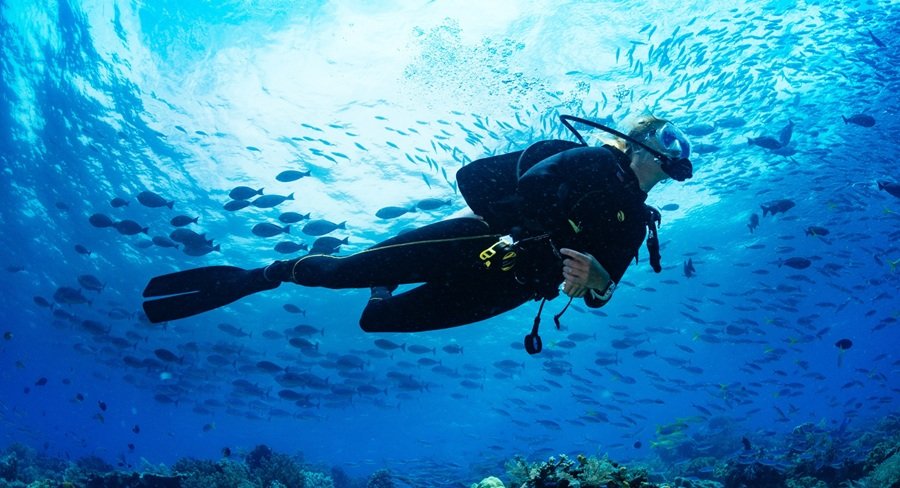
A lot of people assume you need to fly to Thailand or the Maldives for decent diving, but honestly, the scuba diving Andaman Islands offers rivals plenty of more famous international spots — and it’s entirely within India, no visa hassles required.
I did my open water certification here a couple of years back, half-expecting it to be a “decent for India” kind of experience. It genuinely wasn’t — the visibility and coral health surprised me.
Why Andaman Islands Are Great for Diving
Scuba diving Andaman Islands locations offer are known for clear water visibility (often 15-30 metres), healthy coral reefs, and a good mix of sites suitable for both beginners and experienced divers.
The islands sit in the Bay of Bengal, relatively untouched compared to more heavily dived regions, which keeps the marine ecosystem in noticeably better shape.
1. Havelock Island (Swaraj Dweep)
The main diving hub of Andaman. Sites like Nemo Reef and Lighthouse are great for beginners, while Dixon’s Pinnacle offers more advanced drift diving.
Quick answer: Havelock Island is the top scuba diving destination in Andaman, offering beginner sites like Nemo Reef alongside advanced spots like Dixon’s Pinnacle, with visibility often reaching 20-30 metres.
2. Neil Island (Shaheed Dweep)
Quieter than Havelock, with sites like Margarita’s Corner known for turtle sightings and vibrant coral gardens.
3. North Bay Island
Closer to Port Blair, making it convenient for a shorter trip, though slightly less pristine than Havelock or Neil due to higher visitor traffic.
4. Cinque Island
A bit more remote, requiring a longer boat ride, but rewards divers with some of the clearest water and least disturbed reefs in the region.
What Certifications Do You Need?
- No certification needed for a beginner “Discover Scuba” dive, done with an instructor
- PADI or SSI Open Water Certification takes about 3-4 days and lets you dive independently afterward
- Advanced certifications available for deeper or more technical dives like wreck diving
Best Time to Dive in Andaman
November to April offers the calmest seas and best underwater visibility. Monsoon months (May-October) bring rougher conditions and reduced visibility.
[link to related guide about Andaman Islands travel tips here]
Costs to Expect
- Discover Scuba dive: ₹3,500-5,000
- Open Water Certification course: ₹18,000-25,000
- Fun dives for certified divers: ₹2,500-3,500 per dive
What to Pack for a Diving Trip
- Reef-safe sunscreen — regular sunscreen damages coral reefs
- A rash guard for sun protection during surface intervals
- Underwater camera if you have one, though many dive centers offer photo packages too
My Honest Take
I genuinely think Andaman doesn’t get enough credit internationally as a diving destination. Part of it’s accessibility — flights and permits add friction compared to, say, hopping on a budget flight to Bali. But the marine life quality easily competes with more famous spots I’ve since dived at abroad.
FAQs
Do I need a certification to scuba dive in Andaman? No, beginners can do a “Discover Scuba” dive with an instructor without any prior certification.
What’s the best island in Andaman for diving? Havelock Island is the most popular and well-equipped, offering the widest range of dive sites for all skill levels.
Is Andaman diving suitable for beginners? Yes, several sites like Nemo Reef are specifically shallow and calm, ideal for first-time divers.
What’s the best time of year to dive in Andaman? November to April, when the sea is calmest and underwater visibility is at its best.
How much does scuba diving cost in Andaman? A single Discover Scuba dive costs around ₹3,500-5,000, while a full Open Water certification runs ₹18,000-25,000.
Conclusion
You don’t need an international trip to experience genuinely world-class diving. The scuba diving Andaman Islands offer delivers clear water, healthy reefs, and options for every skill level, right within India. Havelock’s a great starting point — book your certification, and you’ll likely wonder why you didn’t try this sooner.
APPROVED
Keep the memory. Verify the moving details.
Use this guide as a practical route note, then reconfirm prices, schedules, entry rules and availability close to departure.

Admin
Turzico editors turn destination research into practical, warm and easy-to-use travel notes.