A lot of friends asked me the same question before my trip: “Is it actually safe to go alone?” Short answer — yes, and this solo female travel Japan guide is meant to answer everything else you’re probably wondering too.
Japan consistently ranks as one of the safest countries for solo travelers, women included. That said, “safe” doesn’t mean “nothing to plan for,” so let’s get into the details.
Why Japan Works Well for Solo Female Travelers
Solo female travel Japan trips tend to go smoothly because of low crime rates, extremely reliable public transport, and a culture where people generally leave you alone rather than pester you.
I walked around Tokyo at 11pm on my own more than once and never once felt unsafe — something I genuinely couldn’t say about a few European cities I’ve visited.
Suggested 10-Day Itinerary
- Tokyo (4 days) — Shibuya, Shinjuku, Asakusa, teamLab Planets
- Hakone (1 day) — Mount Fuji views, hot springs
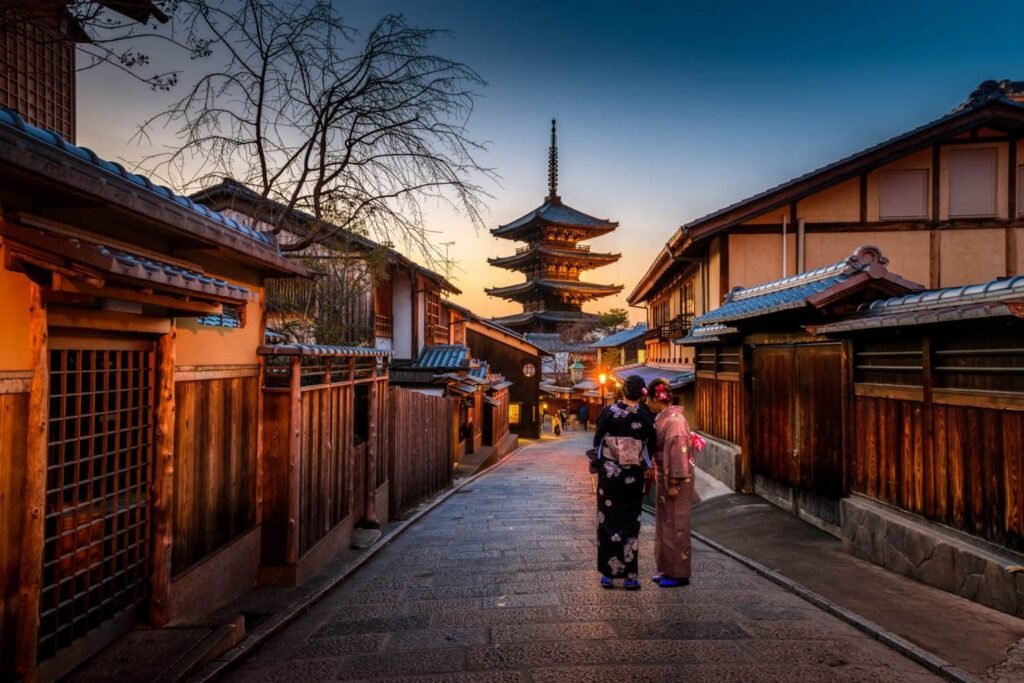
- Kyoto (3 days) — temples, Gion district, Arashiyama bamboo grove
- Osaka (2 days) — food, Dotonbori, day trip to Nara
Quick answer: A solo female traveler can comfortably cover Tokyo, Hakone, Kyoto, and Osaka in 10 days, using the JR rail pass for easy, safe transport between cities.
Safety Tips Specific to Solo Female Travelers
- Choose female-only train carriages during rush hour if it makes you more comfortable — they’re clearly marked
- Konbini (convenience stores) are everywhere and open 24/7 — great for a safe stop if you need directions or a bathroom late at night
- Capsule hotels and female-only floors in hostels are common and generally well reviewed
- Avoid isolated nightlife areas like parts of Kabukicho late at night, same as you would anywhere
Getting Around Japan Alone
The JR Pass makes train travel simple, and honestly, Japan’s trains are punctual enough to set your watch by. Google Maps works remarkably well for navigating even complex stations like Shinjuku, which — fair warning — has over 200 exits.
Where to Stay
- Tokyo: Shinjuku or Shibuya for convenience, though slightly noisier
- Kyoto: Gion area for atmosphere, or near Kyoto Station for transport ease
- Budget option: capsule hotels, often $25-40/night and surprisingly comfortable
[link to related guide about Japan rail pass options here]
Cultural Etiquette Worth Knowing
Japan runs on quiet politeness. Don’t talk loudly on trains, don’t eat while walking in most areas, and always queue properly — Japanese commuters take lines very seriously, even for the ticket gates.
What I’d Do Differently
Honestly? I’d spend less time in Tokyo and more in Kyoto. Tokyo’s exciting, sure, but Kyoto’s temples and quieter streets gave me a much stronger sense of connection to the place — and it felt calmer for solo exploring.
FAQs
Is Japan safe for solo female travelers? Yes, it’s consistently ranked among the safest countries globally for solo travel, with very low violent crime rates.
Do I need to speak Japanese to travel alone? No, major cities have English signage, and translation apps handle most gaps easily.
What should I pack for solo travel in Japan? Comfortable walking shoes, a portable Wi-Fi device or SIM, and layered clothing depending on season.
Is it expensive to travel solo in Japan? It can be moderate to high, but capsule hotels and konbini meals help keep daily costs around $60-90.
Are there female-only accommodation options? Yes, many hostels offer female-only dorms, and some hotels have female-only floors for extra comfort.
Conclusion
If you’ve been putting off a solo trip because Japan feels intimidating, don’t. This solo female travel Japan guide should give you enough of a head start to book with confidence. Pack light, get the JR Pass, and go explore — you’ll likely come back wanting to plan the next trip already.
APPROVED
Keep the memory. Verify the moving details.
Use this guide as a practical route note, then reconfirm prices, schedules, entry rules and availability close to departure.

Admin
Turzico editors turn destination research into practical, warm and easy-to-use travel notes.